


Runner, an independent concept for
Less desk. More start line.
Runner drafts the invitation, reminder and thank-you for one city run. Your community team checks the details and keeps the final say.
Your city team runs the event. Runner drafts the invitation.
Give one local running team AI help with the words around its next run. Runner prepares the announcement, reminder and follow-up from a brief the team approves. Your community lead keeps the relationships and the final say.
The work to take on
Every run needs the same messages. Your runner writes them.
- Who it’s for, when to arrive, where to meet, how to join.
- Your city team checks the facts and runs the run.
Who owns it
Your city lead stays in charge.
- The organiser checks the meeting point and route.
- A brand editor checks the voice.
- Nothing goes out without your say.
The first project
One run, start to finish. A clear answer.
- One city, one language.
- From the first invitation to the thank-you.
What you provide
Hand over what you already have. That’s the brief.
- The event details, meeting point and registration link.
- Wording the brand has cleared.
- Safety and access notes from your organiser.
What comes back
Every message, written and waiting for your yes.
- An invitation post.
- A reminder for everyone who registered.
- A thank-you, and the next run for people who asked.
How it fits your tools
Say what to change. Get the next version.
- Your reply comes back as a revised version, your note beside it.
- Every version, note and approval is kept on a record nobody can edit.
- Nothing sends on its own; approved copy goes into your own tools.
How to judge it
Judge it in hours your team gets back.
- Time the briefing and editing against a recent run.
- Count the corrections.
- If it pays off, run it again.
What stays with you
Your member data never leaves Nike.
- No Nike Run Club or member-data connection.
- Registering for a run isn’t permission for marketing.
The public context behind this proposal
Nike’s community work connects running with local people and places. Its recent Renegade story describes a running retailer built around community, while Nike Ginza’s Running Hub is an earlier example of local programming and training sessions.
- Nike: Renegade founder interview, March 2026
- Nike: Ginza Running Hub, December 7, 2023 — earlier programme example
Sources reviewed October 22, 2026. The first project above is Runner’s proposal.
The wider example below is scoped separately: live delivery needs connected channels, recorded permissions and a verified reporting source.
Less desk. More start line.
From city run clubs to wholesale partners, every Nike team has more to say than hours to say it. Runner gives each one an AI team of its own. It drafts. Your people approve. Start with one example, city events, and put a price on those hours below.
“Being more local matters, it deepens connection, it builds loyalty…”
Elliott Hill, President and CEO of NIKE, Inc.From Nike's Q4 FY26 earnings call, June 30, 2026
Put in your cities, your events, your hours. Watch it add up.
- Events a month
- 104
- Hours of marketing work
- 624
- What that time is worth
- $46,800
These are your numbers, not a promise. Your @runners draft; your people still review and approve every piece. The figure is what the hours are worth, not a saving.
A team for every team.
City marketing, brand, retail partners, lifecycle: each team at Nike gets this crew, inside its own limits. Each member has one job. Your people approve what goes out.
Drafting
Social lead
Drafts the posts for Instagram, Threads and LinkedIn. Your team approves each one, or lets a trusted channel run.
Writing
Email lead
Writes the emails, reminders and follow-ups. Sends only to people who asked to hear from Nike.
Pacing
Budget keeper
Plans paid posts inside the budget you set, and asks before it goes up.
Counting
Growth lead
Puts every week's results against the target, channel by channel. You know where you stand.
Checking
Guardrails
Checks consent, how often anyone hears from Nike and quiet hours, before anything goes out.
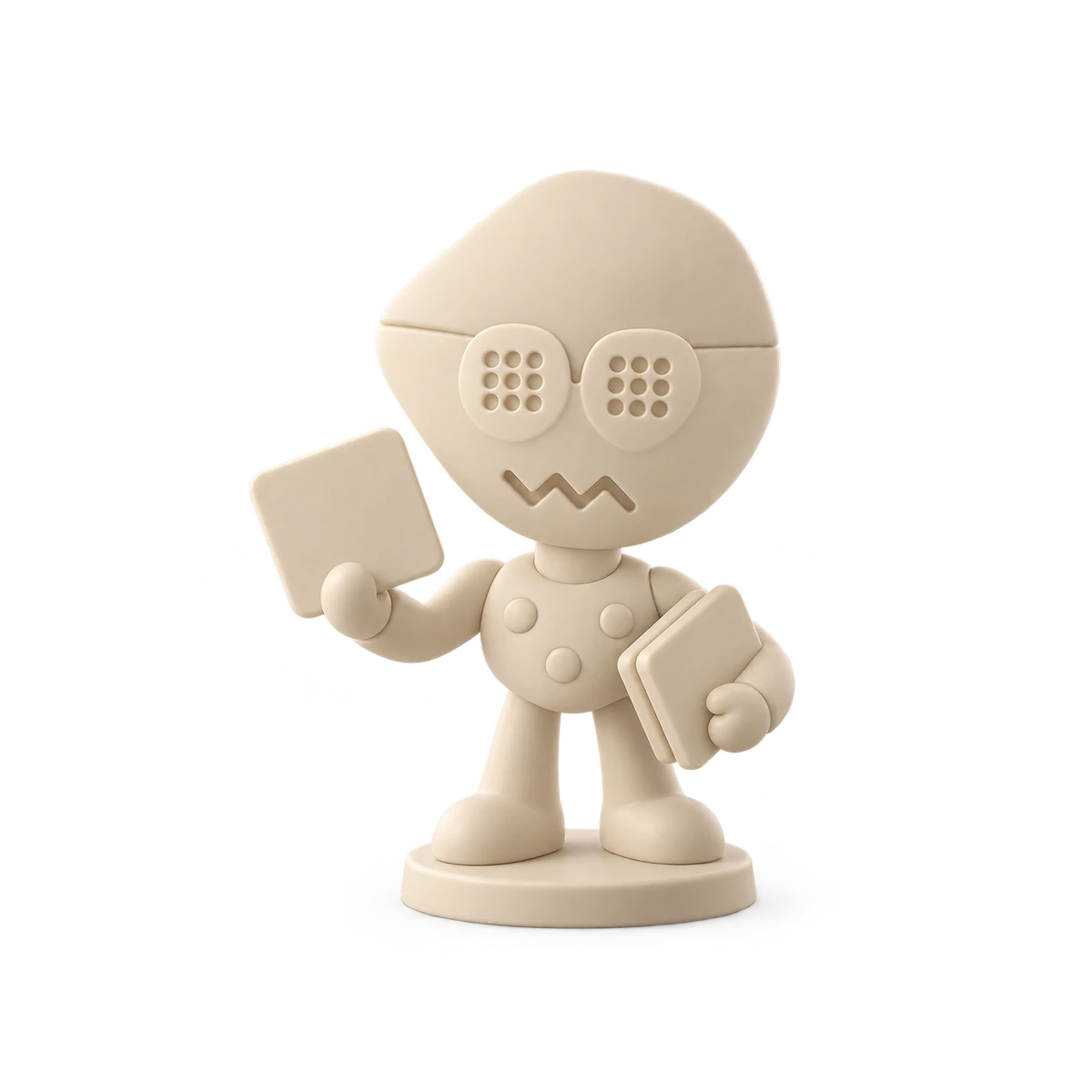
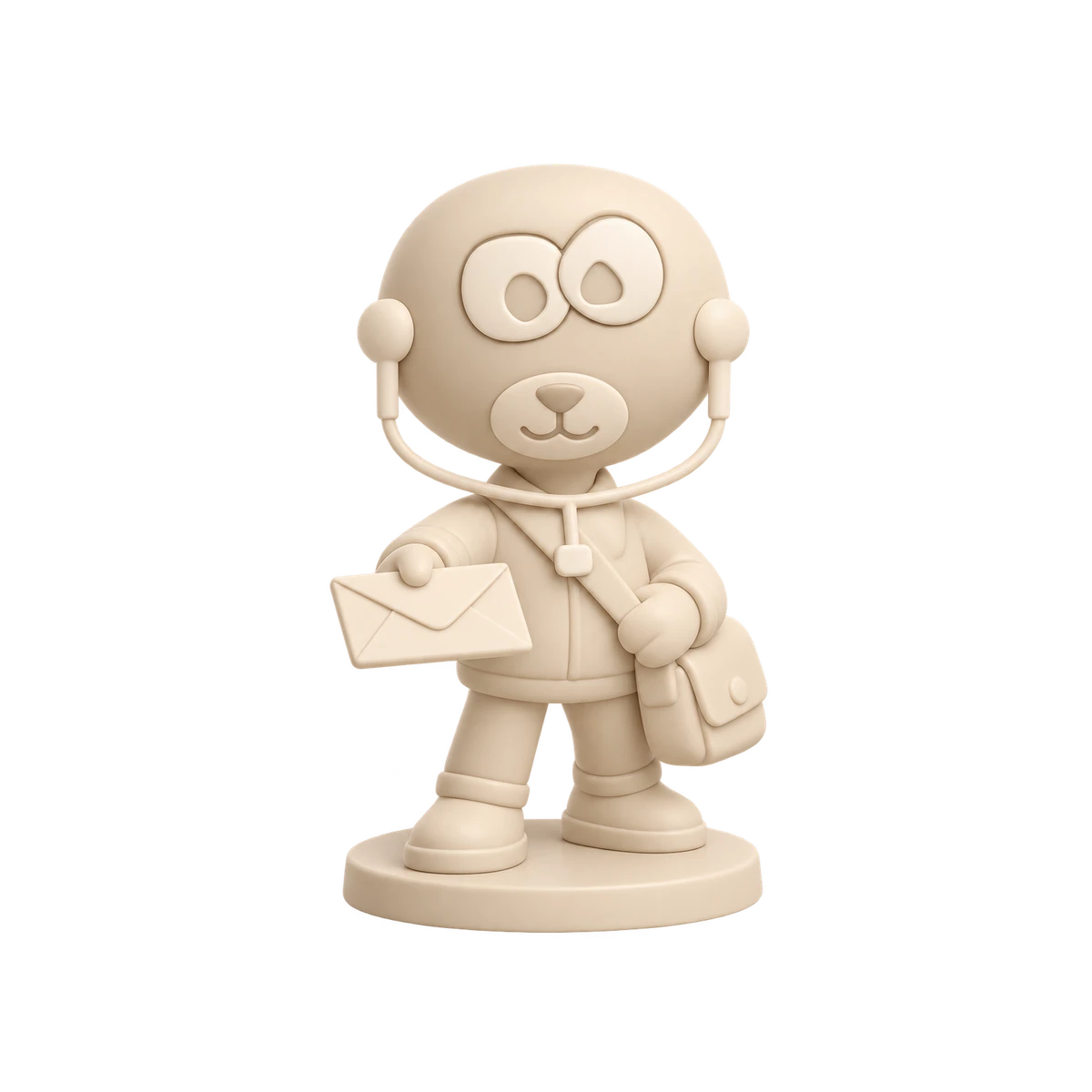
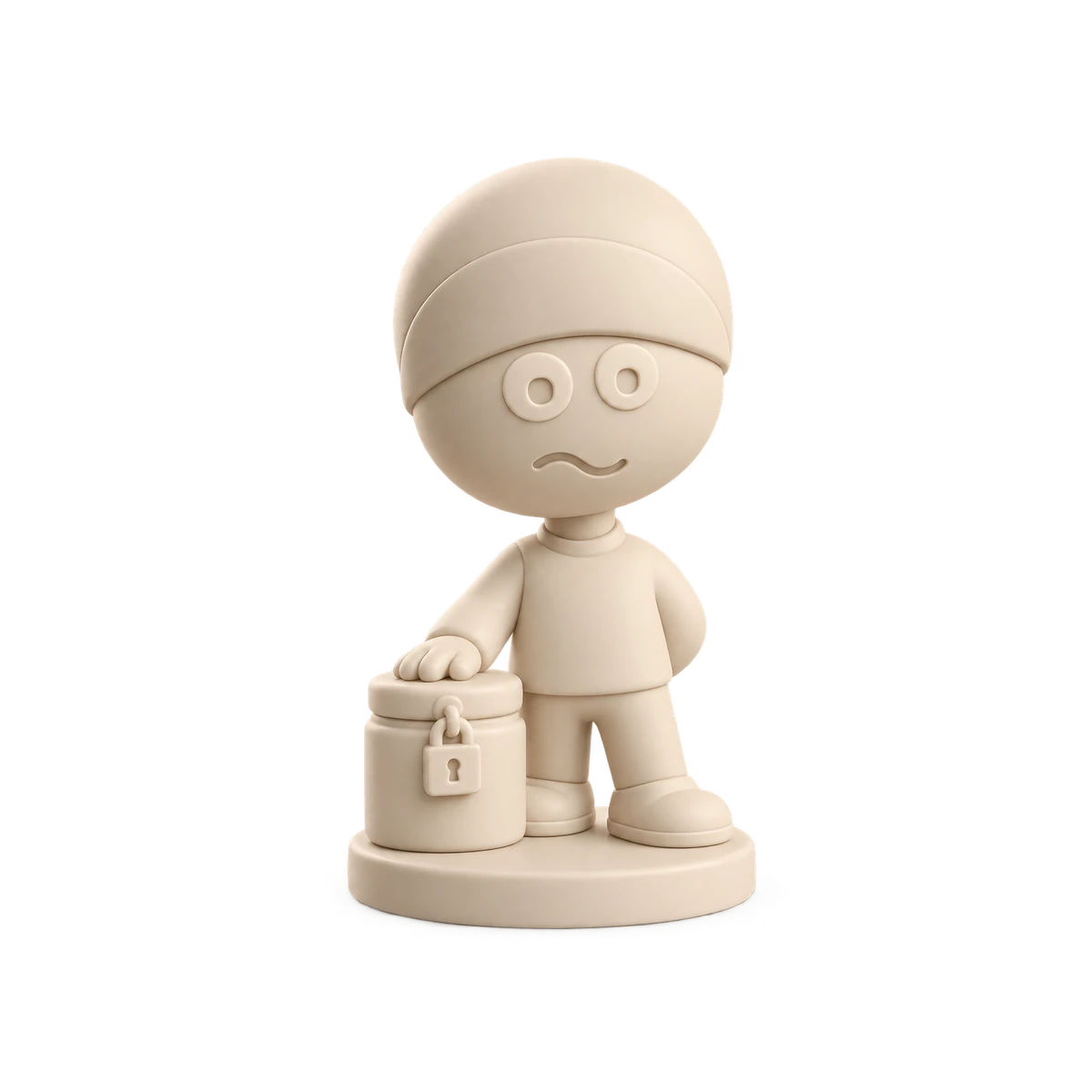


The run before the run.
Two weeks out
The invitation
Drafted by your @runners. Edited and approved by your city team. Then the city hears about it.
Event week
The reminders
Only to people who signed up. Only inside allowed hours. Nobody gets two.
The morning after
The thank-you
A thank-you, and the next date. For everyone who asked to hear more.
Every Monday
The count
Sign-ups against the target, city by city. You know where every city stands.
Your role. Your call. Your runner.
Choose your role. See what you'd hand one of your @runners, what comes back drafted, and the decision that stays with you.
Your brief
Help first-time runners understand a local running initiative.
Your runner drafts
Your runner sets the city, the date and the invitation, then drafts the posts and reminders around it.
Your call
You choose the audience and what success looks like.
Or let it run. When a channel’s drafts keep going out as written, your team can switch it to run on its own, inside the same limits. Any edit switches it back to asking.
Your team, with a face.
One photo of someone on your team becomes a presenter who briefs every launch in video, in your words, with the AI mark on it so nobody is misled.

- Snap
- Upload
- Build
- Live
Runner, an independent concept for
Made from the photo on the left. The boxes are measured off the frames as they play. How a Runner presenter works
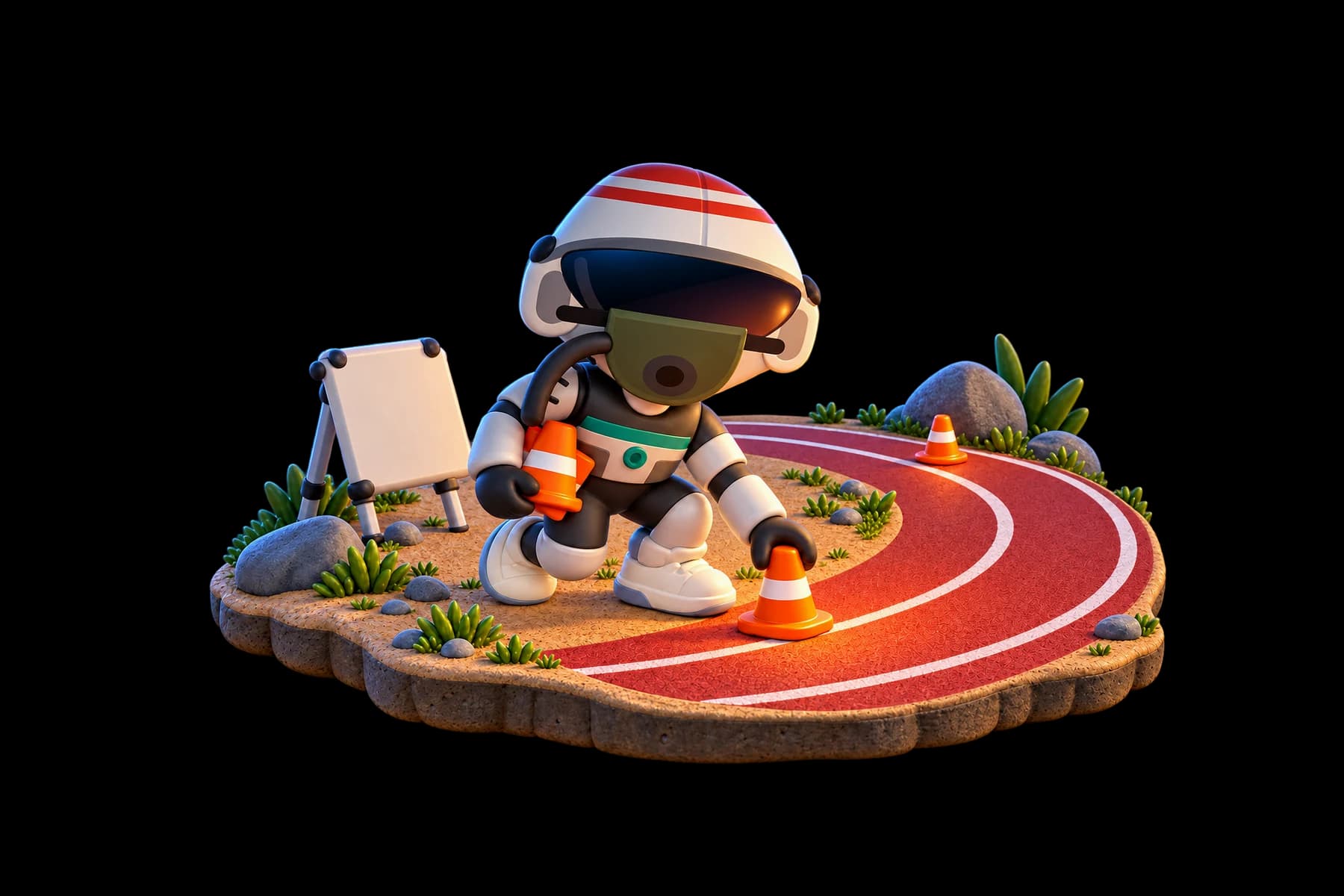
Nobody sees the setup. But they feel it.
Someone lays out the cones before every start. Your @runners lay out the drafts. Your team says go.
Your team starts at the edit.
Drafts arrive ready to edit
Invitation, reminders, posts: each one arrives written. Your team edits and approves instead of starting cold.
Monday's count, already counted
Sign-ups against the target, city by city, channel by channel. Put together for you, every week.
Your limits work the night shift
Quiet hours, how often anyone hears from Nike, the budget: held while nobody's watching. Pause it, and everything stops.
Built for how a big company works.
Visitor intelligence, in a waterfall
Company first. The person only where the law and their own consent allow, and never past a jurisdiction's limit.
MoreA record nothing can edit
Every proposal, approval and send is kept on an append-only record. Nothing in it can be edited or deleted.
MoreYour model, your key
Anthropic, OpenAI, Google, xAI or Ollama, on your own agreement and your own rate limits.
MoreHard limits, one stop switch
Caps on spend, sends and quiet hours that hold when nobody is watching. One switch stops all your @runners.
MoreMany teams, one organisation
Each team gets its own crew, its own limits and its own numbers, under one account.
More
Bring a city. We'll bring the drafts.
Bring one city run. We’ll show your community lead the drafts it would review.
The small print.
An independent concept by Runner, built from public information. Not affiliated with or endorsed by Nike. Nothing here connects to Nike's systems, Nike Run Club or member data.
Live in Runner today
- A team of AI marketers for every team, each member with one job.
- Posts, emails and ad plans drafted for your people to approve.
- Channels that run on their own once trusted, and stop at the first edit.
- Hard limits on spend, sends and quiet hours, and one switch to stop it all.
- The results, counted against your target, every week.
Built for Nike
The team’s setup, the role views and the flow on this page. We build them with your team in a pilot, and no result is promised.
Runner’s security pageHow visitor context stays within permission
These are separate states, not an automatic ladder from anonymous visitor to named person.
- An arrival
- Collection follows the site’s consent policy. A visit is not a contact.
- A returning browser
- An anonymous identifier can relate allowed visits. It does not establish who the person is.
- Possible company context
- Jurisdiction and stricter operator limits govern identification. This is a provider claim with a source, not proof of employment.
- An explicit known relationship
- Linking anonymous history requires an explicit identify event. Identification itself grants no permission to send marketing.
In the US, person identification requires the customer’s own connected provider account and key. EU and UK identification stops at the organization. In South Korea, traffic-derived identification stops at the company, never the person. A visitor who identifies themselves or explicitly turns Recognition on is a separate, permission-based case. Accepting the general notice does not turn Recognition on. Global Privacy Control suppresses person identification everywhere. Nothing in the product can raise a jurisdiction limit.
Read the identification boundariesWhat a pilot covers with your security team
- Scope and access. Which teams and products, and who may approve. A senior job title grants nothing by itself.
- Data and permission. The data sources, processors, retention, jurisdiction and consent evidence for the work.
- Limits and stopping. The owner controls and approval steps. Approval never overrides eligibility or local law.
- Sign-in. Sign-in is an email link, a password or a passkey. If your security team needs single sign-on, it comes with an Enterprise plan: your people sign in through your own identity provider over SAML, and your admin connects it in Settings.
- Agreement. The use case and who reviews what, before any access. No SLA or certification is promised here.